Quick answer
For a USB flash drive when one application cannot open files, start by recording the exact symptom and comparing one controlled change. Try a trusted representative file in its normal supported application. Confirm which removable device is selected and whether its reported capacity is plausible.
Understand this particular situation
This guide focuses on a USB flash drive when one application cannot open files. The timing or setting helps choose the first comparison, but it is not a confirmed diagnosis. An application or file-format issue is different from a device being unreadable. The aim is to collect useful evidence before changing several settings or approving a replacement part.
Keep the test small enough that you can describe what changed. Record the exact model, operating-system or application version, relevant connection and the last time the same task worked. If the problem involves an important file or account, check that you are using the intended copy and authorised access. A screenshot should show the useful error without unrelated personal information.
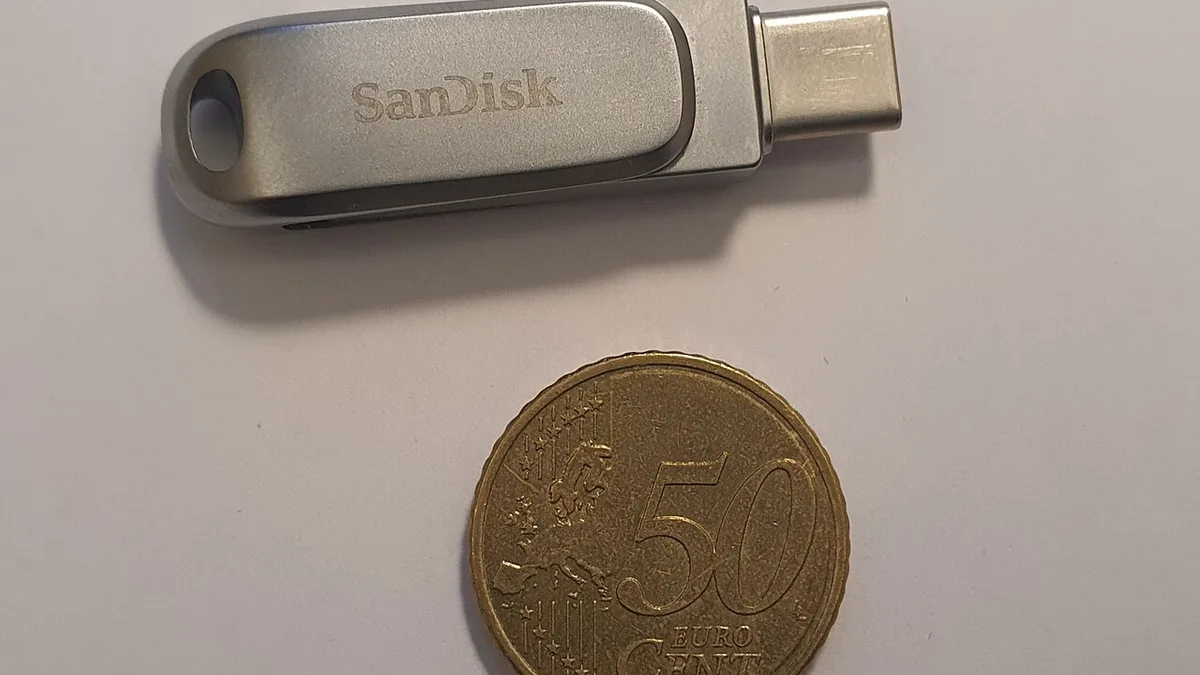

Checks in a useful order
Establish the original behaviour
Confirm which removable device is selected and whether its reported capacity is plausible. Note the exact message or observable result. A description such as not working is less useful than identifying which stage succeeds and which stage fails.
Test the situation named in this guide
Try a trusted representative file in its normal supported application. Use the same representative task so the comparison has a clear meaning. Keep other equipment, files and settings unchanged where practical.
Interpret the comparison carefully
An application or file-format issue is different from a device being unreadable. Treat the result as evidence for the next check, not a guarantee that one component is defective. More than one issue can be present.
Make one relevant, reversible change
Use supported settings, the product’s own troubleshooting tools or the exact model’s documentation. Record the original setting before changing it. For a managed computer, check with the administrator before removing required software, permissions or policies.
Repeat the actual task
Check several files, not only the folder listing. Check the same account, application, file or connection that originally failed. A different task succeeding does not establish that the original problem is resolved.
What not to assume
Do not save recovered files back to the affected USB drive.
Keep needed data separate from testing. Do not format, initialise or save recovered files back to affected storage. Clicking, repeated disconnection or worsening read errors are reasons to stop unnecessary attempts and consider an appropriate recovery assessment.
Decide what the evidence supports
| Check | What it tells you |
|---|---|
| The comparison changes the symptom | An application or file-format issue is different from a device being unreadable. |
| The symptom stays unchanged | Keep the recorded result and inspect the next relevant part of the workflow rather than repeating the same reset. |
| The fault returns later | Record the trigger and conditions. One successful attempt did not demonstrate a lasting correction. |
| A part or major repair is proposed | Ask which test identified the part, what alternatives were checked and what data-preservation plan applies. |
Common questions
Does this situation prove that a part needs replacement?
No. The situation identifies where to begin testing. Confirm which removable device is selected and whether its reported capacity is plausible. A replacement should follow evidence, compatibility checks and an agreed scope.
What should I send when asking for help?
Send the full model, exact symptom, relevant version and the result of the comparison in this guide. Explain what changed recently and whether important files have a separate backup. Do not send passwords, recovery keys or private documents.
Need help applying these checks?
Share your exact device model, intended task and the result of any checks already performed. RJ Computers can discuss diagnosis, upgrades or setup. Confirm assessment charges, parts, availability and the scope of work directly before booking.
Product documentation and version notes
Use the current documentation for the exact model or software version. The reference below is a starting point for the relevant product family; it is not confirmation that every model supports every feature.
Official product-family reference